Showing posts with label credit scores. Show all posts

Thursday, August 13, 2020

How To Shop for a Mortgage without Hurting Your FICO® score

Shopping around to make sure you find the best deal on a loan is smart. Getting the best interest rate and terms possible, could save you thousands or even tens of thousands of dollars over the life of a mortgage loan. A home loan is unique like you and I ... so its best find a lender where you can explore what kinds of options might be out there.

Each time you apply for a home loan, a mortgage lender will make a credit inquiry to review your credit history. These inquiries are reported to the three major credit-reporting agencies: Equifax, Experian and TransUnion.  Because inquiries signal that you are thinking of taking on new debt, your credit score can dip. But the good news is that the damage from multiple credit checks by mortgage lenders is typically small.

That being said, it’s best to keep your interest rate shopping limited to a short window of time if your credit reports are being pulled as part of the process. There is a chance that rate shopping could have a negative impact on your credit scores.

What is a credit inquiry?

An inquiry is a record of access into your credit profile. So, when you apply for credit, the credit bureaus are going to make a record of who accessed your credit report and when, and place that record on your report.

Some inquiries, such as checking your own personal credit, do not affect your score. These are referred to as “soft” inquiries. Other inquiries, such as applying for new credit, such as a car, credit card or home loan have the potential to impact your scores negatively. These are referred to as “hard” inquiries.


The sole reason the credit scores exists is to help lenders predict risk. And research shows that applying for multiple new accounts in a short period of time is predictive of elevated risk.

Due to this fact, credit scoring models like FICO and VantageScore are designed to pay attention to the number of hard inquiries on your credit reports when calculating your scores. And a larger number of hard inquiries could translate into lower credit scores in some cases.

The exception to this rule is when you’re rate shopping. Your credit reports could easily get polluted with multiple hard inquiries in a short period of time when you’re trying to find the best financing offer available. But credit inquiries that occur as a result of rate shopping are not indicative of the same elevated risk mentioned above.

As a result, credit scoring models often treat them differently — provided that those inquiries all occur within a certain window of time and are from certain types of lenders. Both FICO and VantageScore scoring models include logic that protects your scores from the impact of rate shopping inquiries.

Shopping window within 45 days

In the FICO model, multiple credit inquiries within a 45-day window are treated as one shopping event, provided those inquiries are from mortgage, auto loan or student loan lenders.

For example, FICO can see you are rate shopping for a home loan, so they will count as one inquiry, as long as the applications all take place within their 45-day window.

Inquiries outside of the three categories mentioned above, such as credit card inquiries, are not protected, because consumers don’t typically shop around for the best rate on a credit card. 

Be mindful of your credit applications and only make a credit inquiry when necessary.

Even if you have a few credit inquiries that are counted against your scores, we’re talking about a minimal number of points deducted, and even that impact will disappear within a year. Credit is cyclical and within a few months, your score will bounce back a little, as long as there aren’t other negative factors on your credit report. So, keep the hard inquiries down to a minimum to minimize the small effect they do have on your credit report.

Have a specific question? 

Reach out. 😊


Aundrea Beach-Greco
Mortgage Advisor, CMPS
NMLS 333739
(702) 326-7866
info@aundreabeach.com

CMG Financial - NMLS 1820 
8337 W. Sunset Road, Suite 300
Las Vegas, NV  89113
Office (702) 777-1306

www.AundreaBeach.com

Sunday, January 12, 2020

Why Your Credit Score Is Different Depending On Where You Look

When you check your credit score, you may have wondered WHY your score is different depending on where you check it. Here's why!
These 3 numbers have a impact on your life, from your ability to get a car loan or a mortgage to your chances of being denied an apartment or even a job? This is your credit score.
If you haven’t thought about your score until now, you need to start tracking it. After all, there are plenty of tools (both free and not free) for doing so. 
First, let’s talk about what exactly a credit score is.
Credit bureaus
Since its creation in 1989, the FICO® Score has been the most commonly used assessment of creditworthiness. FICO® Scores are generated by a proprietary scoring algorithm, which empowers lenders to make informed decisions about risk and protects borrowers from unfair bias. This is why FICO® is considered the industry standard.
What Is A Credit Score
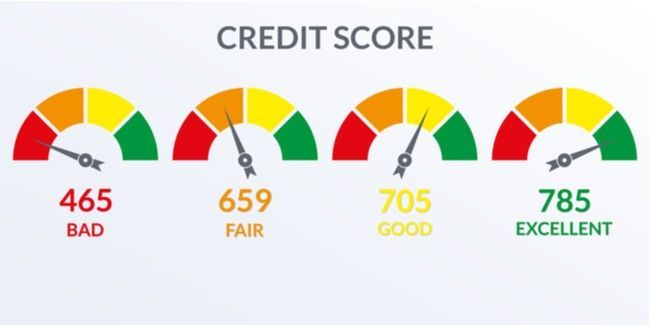
The base FICO® Score range is 300-850. Higher is better and anything above 600 is generally considered “fair.” Lenders equate your score with the level of risk they’d take by extending credit to you. A higher score means lower risk, better terms and vice versa.
This is why your credit score is so important, not only for credit approval but also for things like your credit limit and the terms of the loan.
The last thing you should know about credit scores is that, while FICO® Scores are used by the majority of lenders, there are also alternatives to the FICO score.
For example, some companies base its credit scores on the VantageScore model. Whichever model you or your lenders use, your credit score is actually three different scores, each based on your credit reports from the three bureaus (Equifax, TransUnion, and Experian).
As mentioned above, your credit score may vary slightly depending on the credit agency it comes from and the scoring algorithm used.
When you apply for credit, a lender may use a specific score (such as FICO) or an average of your various scores (FICO & Vantage).
So, focus on what you can control: Factors such as your length of credit and payment history and your credit utilization. If a crisis causes your score to go down, you can rebuild it in the same way you would originally create and maintain good standing.
According to some, your FICO summarizes your credit history…based on your financial decisions.  As mentioned above, that history is reflected on your three credit reports.
Here are the most common factors used in credit score algorithms:
This is when you apply for a credit card or other type of loan and the lender pulls your credit report as part of the decision-making process. A hard inquiry usually lowers your score, so the more inquiries you have, the bigger the impact.
They also remain on credit reports for about two years, so be mindful and strategic when you need to apply for new credit accounts.
It’s good to have at least a few accounts (but not too many) and variety of account types is also important. Lenders want to see that you’ve used different types of credit without problems. 
Also known as your balance-to-limit ratio, this is simply the percentage of your total credit limit in use at any given time. 30% or below is the target.
Higher percentages signal to lenders that you’re having trouble paying off your cards or spending more than you make, both show potential risks.
These consist of a range of “red flags” from late bill payments to credit accounts in collection and bankruptcy filings. These blemishes can stay on your report for up to a decade, so try to avoid those at all costs.
One easy way to avoid late payments is to sign up for autopay on all of your accounts, from utilities to credit cards.
Paying your bills on time is one of the most important ways to build and maintain a good credit score. This isn’t limited to debt payments either. Late payments to a utility or cell phone account can also lower your score.
After reading this article, you’re probably curious about your own scores and credit history. Here’s where you can find them:
Federal law entitles you to a free annual report from each of the three major reporting agencies. However, this doesn’t include a free credit score.
To obtain your score from TransUnion, Experian, or Equifax, you have to sign up for one of their monthly subscription plans. These range in price from $16.95-$24.95/month. 
It is a good idea to get an idea of your credit scores and what is on your credit report so when the time arises to apply for something you aren't shocked at the score you see.
We can help if you are planning to buy a home in the future, let's get you a mortgage credit report, and a mortgage plan in place.
How much do I qualify for? (Get the App) See what you qualify for!